What Is a Brand Audit? (What a Blandscape™ Score Means)
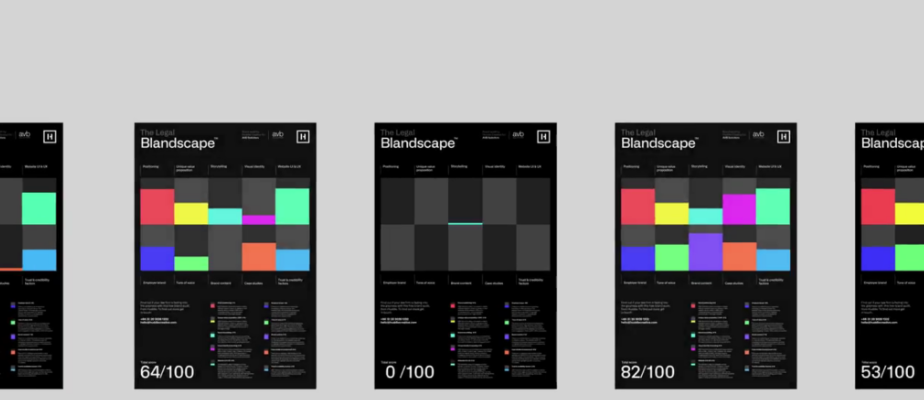
A brand audit is a structured evaluation of how your brand performs across every dimension that matters to buyers: strategy, positioning, messaging, visual identity, consistency, and perceived value. It measures the gap between where your brand currently sits and where it needs to be to win in your market. The output is not an opinion. It is a diagnosis, based on ten measurable elements, that tells you precisely which parts of your brand are working and which parts are costing you business.
For B2B firms in particular, the brand audit is where clarity begins. It surfaces the misalignment between how leadership thinks the brand is perceived and how prospects and clients actually experience it. That gap is almost always larger than expected.
Get Your Free Blandscape™ Scorecard
What Does a Brand Audit Actually Cover? (Brand Audit Checklist)
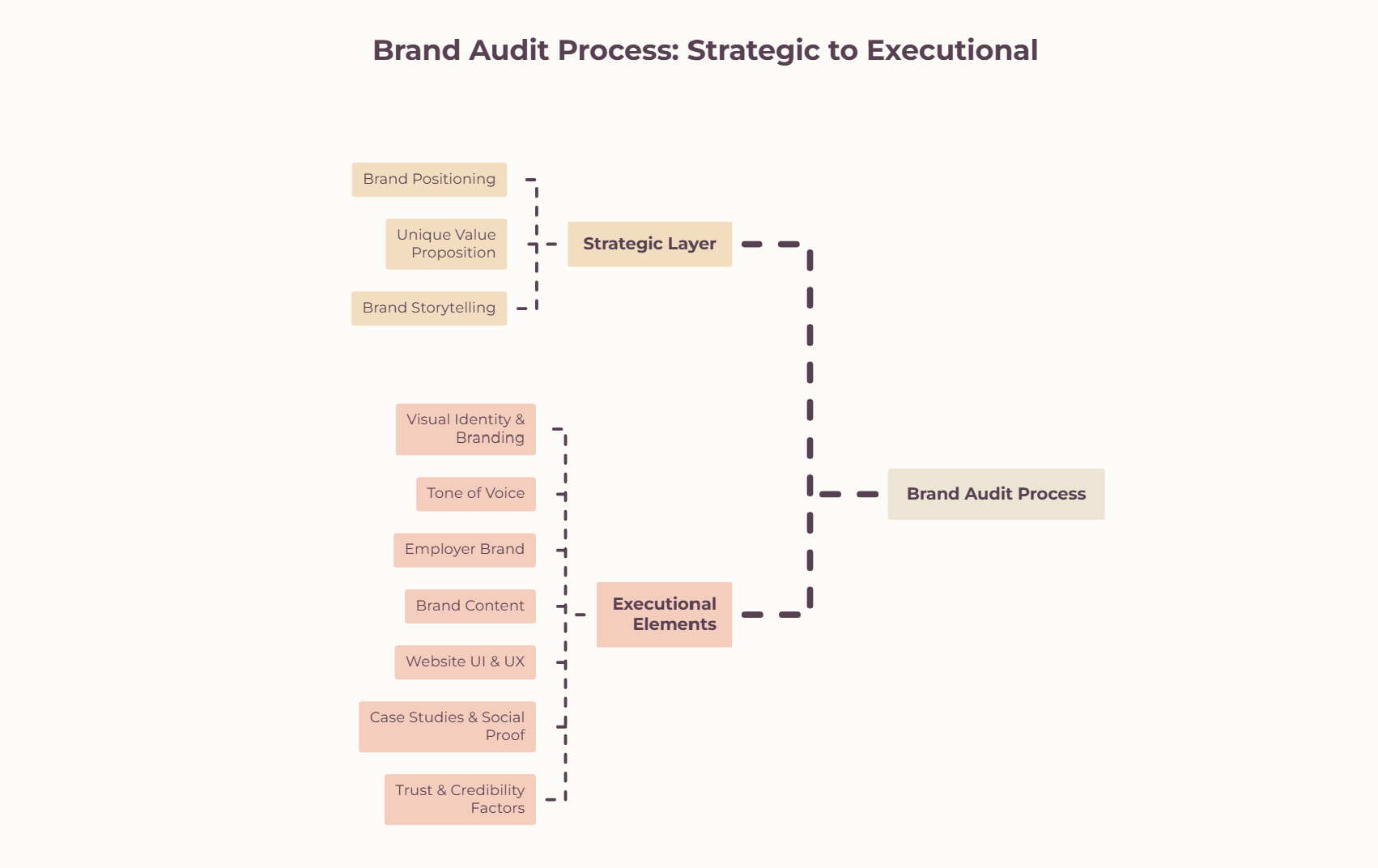
A brand audit is not a visual review. Looking at your logo and deciding it needs freshening is not a brand audit. A proper audit examines the strategic layer first, the foundation from which every visual and verbal decision should flow, and then works outward to the executional elements.
Practically this looks like a systematic assessment of:
- Brand positioning
- Unique value proposition (UVP)
- Brand storytelling
- Visual identity & branding
- Tone of voice
- Employer brand
- Brand content
- Website UI & UX
- Case studies & social proof
- Trust & credibility factors
If these factors aren’t all at least looked at, critical brand issues might go unnoticed until it’s too late.
Brand Positioning Assessment
The audit starts by asking whether your brand has a clear, differentiated position in the market. Not a vague statement about quality or service, but a specific articulation of who you serve, what problem you solve, and why you do it better than any identifiable alternative. Most B2B brands have never answered this question with the precision it requires. The audit reveals that absence.
Unique Value Proposition (UVP) Assessment
A positioning statement and a UVP are not the same thing. The audit assesses whether you can articulate what makes your offer genuinely different in a single, clear sentence that your target buyer would recognise as relevant and distinct from what your competitors are saying. If you cannot, neither can your prospects.
Brand Storytelling Assessment
Once positioning is assessed, the audit examines whether the messaging that lives across your website, proposals, case studies, and presentations actually communicates that position and tells a coherent story. Most professional services firms use language that sounds identical to their competitors. The audit identifies where messaging is generic and where it is genuinely ownable.
Visual Identity & Branding Assessment
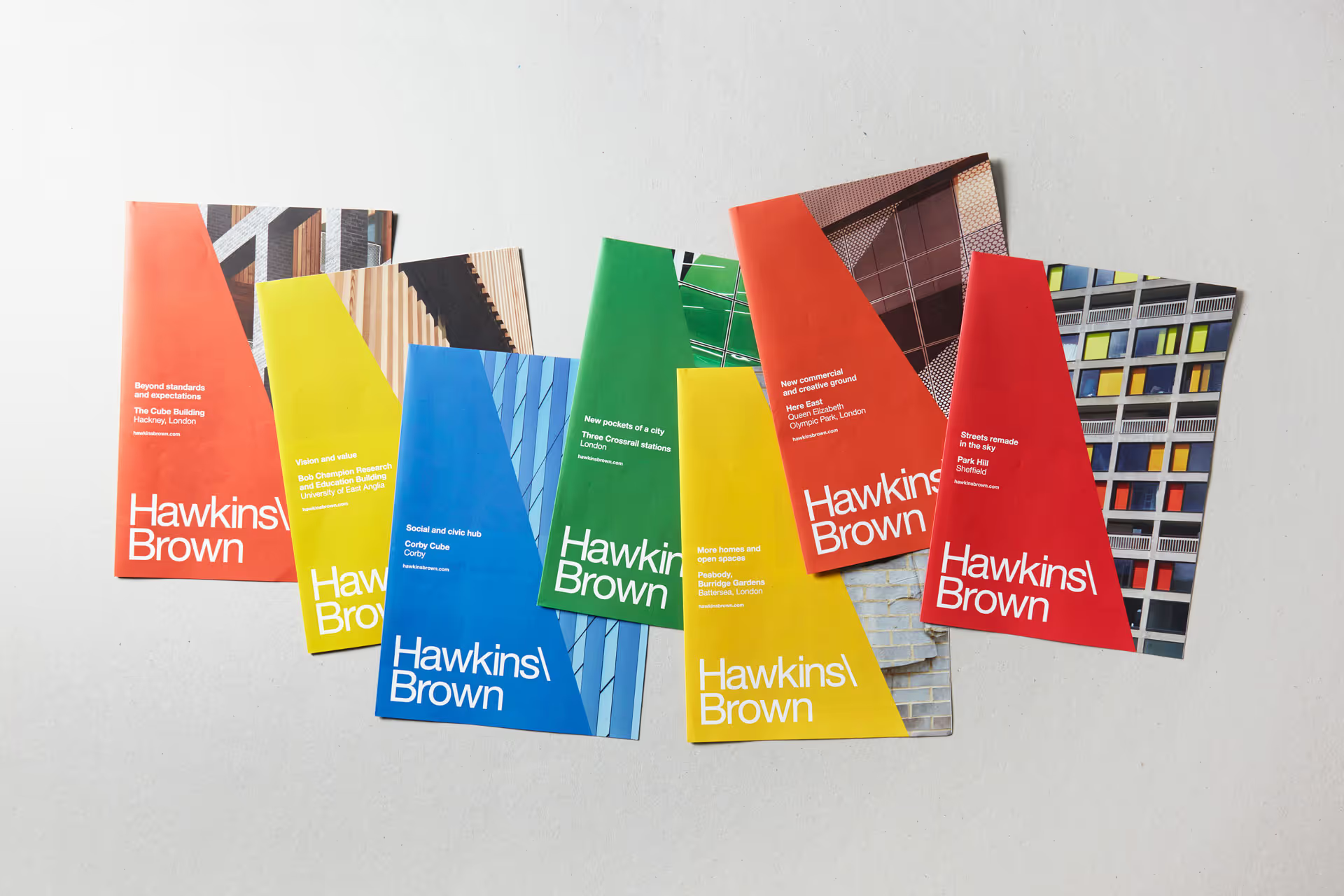
Hawkins\Brown, the architecture practice Huddle rebranded, entered the process using ten different typefaces across their communications. That kind of fragmentation is a common finding in a visual identity audit, and it rarely stays contained to design alone. A thorough audit assesses logo, colour palette, typography, photography style, and how they work together to create a cohesive impression, scoring each for consistency and appropriateness to the sector, audience, and positioning.
Tone of Voice Assessment
Words like "trusted," "experienced," and "client-focused" appear across entire sectors without differentiation. The audit examines whether your tone of voice is distinctive, consistently applied, and actually reflective of how your business thinks and communicates, and whether it is appropriate for the audience you are trying to reach.
Employer Brand Assessment
How your business presents itself to potential employees is increasingly inseparable from how it presents itself to clients. The audit looks at how your brand performs in recruitment contexts, from LinkedIn presence and job postings to careers pages, and assesses whether the internal and external brand stories align or contradict each other.
Brand Content Assessment
Content is one of the most visible expressions of brand positioning, and one of the most commonly inconsistent. The audit reviews what you are publishing, how often, on which channels, and whether it reflects a coherent point of view or simply fills space. Content without a clear brand perspective rarely builds authority.
Website UI & UX Assessment
For most B2B businesses the website is where the brand makes or breaks its first impression. The audit assesses the user experience alongside the visual and verbal brand, identifying where navigation, structure, or design decisions undermine the positioning you are trying to communicate. According to Lucidpress's 2019 State of Brand Consistency Report, consistent brand presentation can increase revenue by up to 33%. Most B2B brands are losing that value because their touchpoints do not align.
Case Studies & Social Proof Assessment
Case studies are among the highest-value brand assets a professional services firm can produce, and most are written in a way that makes them indistinguishable from those of their competitors. The audit reviews how proof of your work is presented, whether it demonstrates the outcomes clients actually care about, and whether it reinforces your positioning or undermines it.
Trust & Credibility Factors Assessment
The audit closes with a comparative assessment of how your brand sits relative to your most direct competitors, not in terms of services offered, but in terms of how the brand looks, sounds, and positions. It also reviews the signals that build or erode credibility: accreditations, press coverage, client logos, testimonials, and any gaps that leave buyers with unresolved doubt.
What Is the Blandscape™ Audit?
Huddle's Blandscape™ audit applies the brand audit framework specifically to B2B professional services firms, scoring ten core brand elements against a structured benchmark. The result is a Blandscape™ score that tells you, quickly and clearly, whether your brand is generic, functional, or genuinely distinctive.
The name is deliberate. The Blandscape™ is the undifferentiated middle ground where most B2B brands live: not broken enough to feel urgent, not distinctive enough to do meaningful commercial work. It is the zone where brands look professional, produce competent materials, and still lose pitches to firms with sharper positioning because the buyer cannot articulate why they should choose you over anyone else.
The Blandscape™ audit exists to get you out of it.
The audit scores your brand across ten elements: brand positioning, unique value proposition, brand storytelling, visual identity and design, tone of voice, employer brand, brand content, website UI and UX, case studies and social proof, and trust and credibility. Each reflects a distinct area where B2B professional services brands either create competitive advantage or lose commercial ground without realising it.
What Does a Blandscape™ Score Mean?
Your score reflects how your brand performs across the ten elements measured in the audit. A low score does not mean your business is struggling. It means your brand is not working as hard as your business deserves. The most common pattern Huddle sees is a firm with strong client relationships, genuine sector expertise, and a proven track record, sitting behind a brand that communicates none of it.
A high score indicates your brand has strategic clarity, consistent execution, and real differentiation. That kind of brand does not just look better. It performs better. It reduces the cost of business development, accelerates trust with new clients, and gives your team something to represent with genuine confidence.
The ten elements span the full spectrum from strategy to design, meaning your score is a whole-brand assessment, not just a visual one. Most firms score well on some dimensions and poorly on others. The value of the audit is knowing which is which, so investment goes where the gap is largest.
Is the Blandscape™ Audit Really Free?
Yes, the Blandscape™ brand audit is free. You complete it, Huddle scores it, and you receive an assessment of where your brand currently sits across the ten dimensions with specific recommendations for where to focus. There is no commitment required and no hard sell attached to the results.
The reason it exists is practical. Most B2B leadership teams do not know what their brand is missing because they have never had it assessed against a structured framework. The audit provides that framework as a starting point, so the conversation about what to do next is grounded in evidence rather than gut feel.
When Should a B2B Firm Commission a Brand Audit?
The answer is: before commissioning any brand work. A brand audit done after a rebrand brief has been issued is useful, but it is a reactive measure. Done before, it shapes the brief. It tells you whether you need a strategic overhaul or a tighter executional refresh. It prioritises which elements to invest in first.
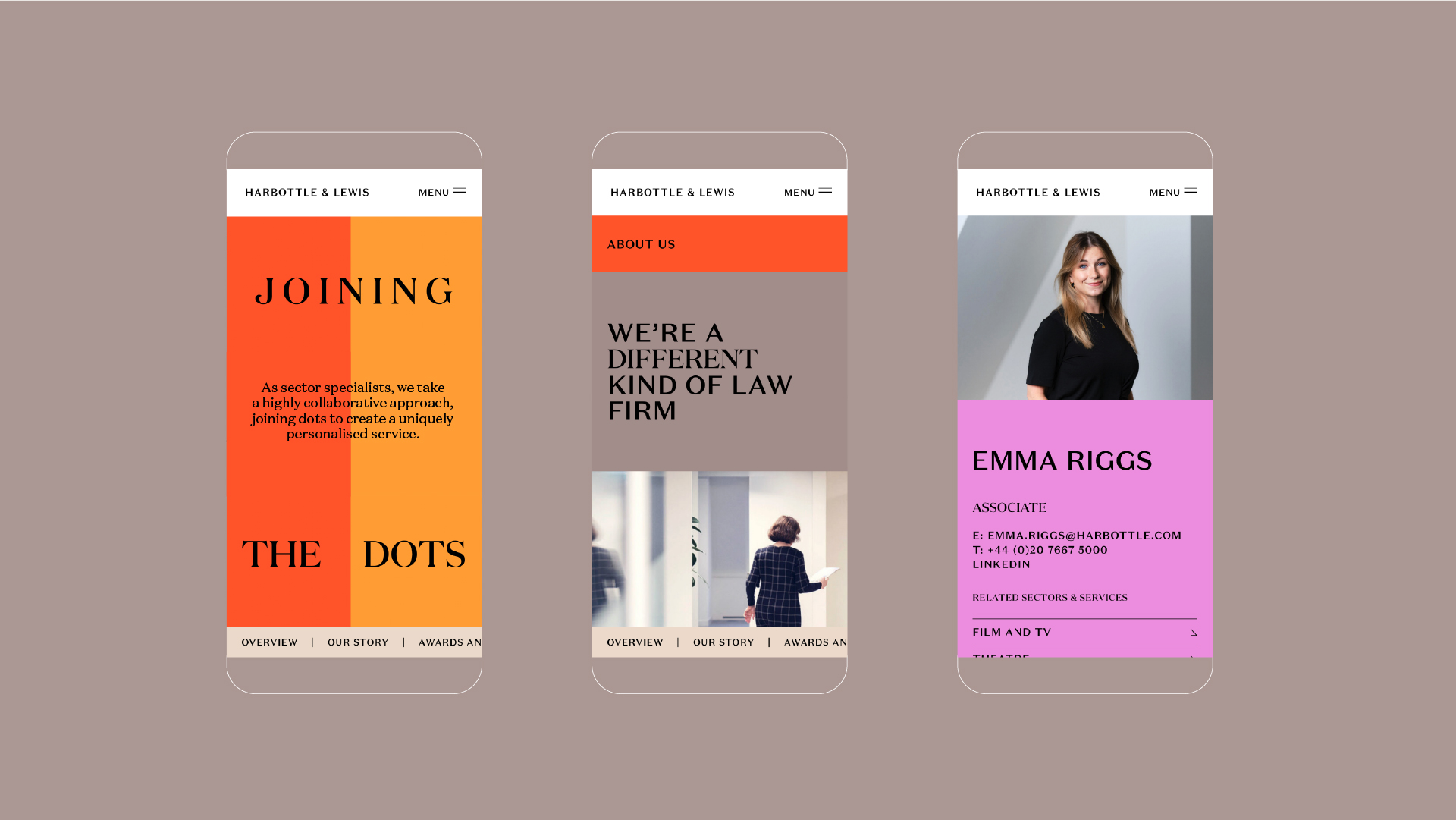
Harbottle and Lewis, the entertainment and media law firm, came to Huddle with precisely this situation. Despite a pioneering heritage and an innovative approach to advisory work, their brand had failed to keep pace with the evolving legal landscape. A structured audit revealed unclear positioning, inconsistent messaging, and a visual identity that no longer reflected their relationship-driven approach to high-stakes work. That diagnosis shaped the entire brief that followed.
Top three brand audit use cases
Three situations make a brand audit particularly important.
- Before a rebrand, an audit confirms whether a full strategic overhaul is needed or whether the positioning is sound and the issues are executional. That distinction can save a significant amount of time and budget.
- After a period of growth, businesses that have expanded quickly often find their brand has not kept pace. The positioning that worked at ten people and three services becomes a liability at fifty people and seven. An audit surfaces that drift.
- Before a fundraise, merger, or acquisition, brand perception matters to audiences that extend beyond your existing clients. An audit creates a clear picture of where the brand stands before it is placed under new scrutiny.
What Happens After the Audit?
The Blandscape™ score is a starting point, not a conclusion. Once you know where your brand stands across the ten elements, the next step is deciding which gaps to close and in what order. For some firms, the most urgent work is strategic: repositioning, clarifying messaging, and rebuilding the verbal identity before touching any visuals. For others, the strategy is sound but the execution is inconsistent, and a tighter set of brand guidelines and updated assets resolves the issue quickly.
Huddle's brand strategy process begins with its own immersion phase, which incorporates stakeholder interviews, competitive analysis, and a structured review of existing brand assets. The Blandscape™ audit is the fastest route into that process for firms that want a clear diagnostic before committing to a larger engagement.
If you already know your brand has a problem but are not sure how serious it is, take the Blandscape™ audit and get a score. Then you will know.